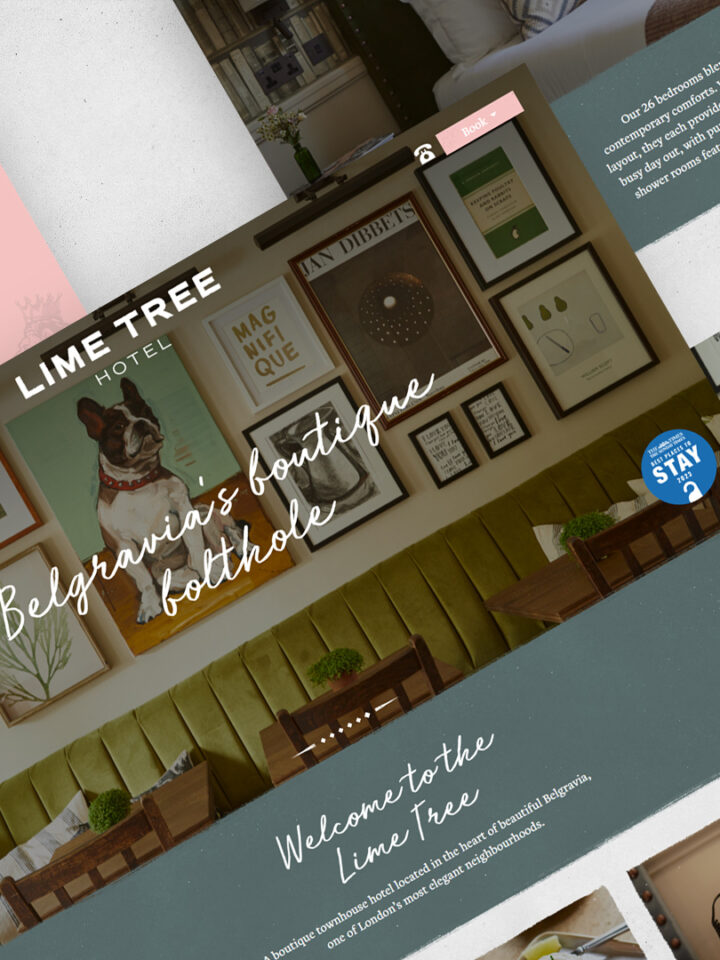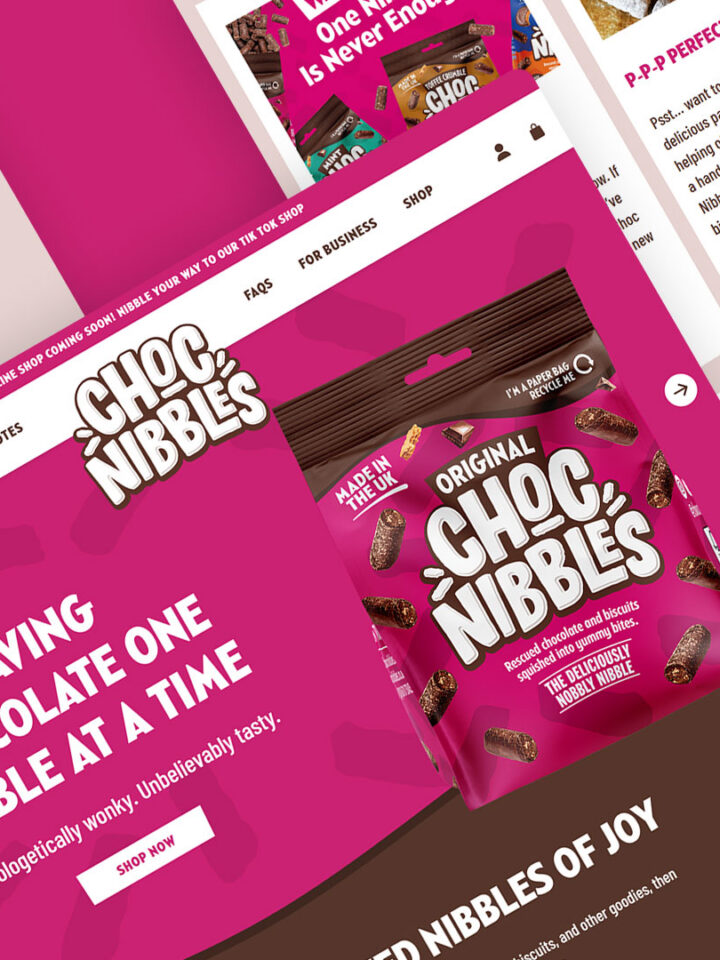

At Adigi, we’ve spent years at the intersection of high-end hospitality and digital performance. By 2026, we’ve observed a fundamental shift: the industry has moved past the “Mobile-First” era. If a site isn’t mobile-responsive by now, it’s invisible. But in a market saturated with functional-but-forgetful templates, “Branding and Booking-First” is the only design philosophy that drives meaningful direct-booking growth.
The Adigi Philosophy: Beyond the Grid
We believe that for a luxury hospitality brand, the website is the “digital foyer.” It must do more than simply fit on a screen; it must convey the weight of the silver, the warmth of the lighting, and the ease of the service.
Branding-First: We prioritise “Digital Escapism.” We use bespoke typography, curated color palettes, and immersive imagery to create an emotional connection before the user even looks at a menu.
Booking-First: We design for the “Path of Least Resistance.” Conversion shouldn’t be a separate step; it should be an ever-present, frictionless extension of the brand story.
Case Study: Daylesford Stays
Working with Daylesford Stays, our challenge was to translate an iconic physical brand into a high-converting digital multisite.
The Branding Challenge: Daylesford isn’t just a place to sleep; it’s a philosophy of “Understated Elegance.” We designed a WordPress multisite architecture that captured the individual character of locations like The Wild Rabbit and The Bell, while maintaining a unified “Daylesford” DNA.
The Booking-First Solution: We integrated complex third-party booking providers for both tables and rooms directly into a bespoke UI. By removing the “jarring jump” to an external booking engine, we kept the user immersed in the brand world, drastically reducing drop-off rates. This created a seamless “Trust-to-Transaction” journey where the aesthetic and the ability to book are inseparable.
Case Study: Country Creatures
For Country Creatures, the focus was on “Modernism meets Heritage.”
Branding as a Metric: We didn’t just build a mobile site; we built a lifestyle portal. By using high-texture photography and cinematic movement, we conveyed the “aura” of the Cotswolds instantly. In 2026, time-to-brand-affinity is a more important metric than simple page load speed.
Streamlined Utility: We simplified the user journey to ensure that browsing a seasonal menu and securing a table took fewer than three taps. We implemented a “mobile-proactive” approach—where the booking button is the most accessible element on the thumb-zone, styled to match the premium brand aesthetic.
The 2026 Hospitality Checklist
At Adigi, we measure “Branding and Booking-First” success through three core pillars. First is Visual Identity, focusing on a bespoke UI that reflects the physical space (like The Stone House Hotel’s personality) to ensure strong brand recall. Second is Booking Synergy, utilising deep API integration with platforms like ResDiary within the site UI to lower the “Friction Score.” Third is Multisite Flow, ensuring a consistent UX across various properties—Dining, Stay, and Spa—to encourage cross-pollination between services.
The Verdict
The era of the “Functional Mobile Site” is over. To compete in 2026, your digital presence must be an invitation, not just a menu. At Adigi, we don’t just build websites; we build the first chapter of your guest’s experience. Is your current digital presence a utility or a destination?