In the high-stakes world of global B2B, the digital experience is often the first point of contact for a multi-million-pound deal. For years, WordPress has been the engine of choice for content creators, but as enterprise needs for speed, security, and scalability have intensified, the “standard” setup is being traded for something more sophisticated: Headless Architecture. At adigi.co.uk, we’ve seen firsthand how decoupling the backend from the frontend allows brands to keep the CMS they love while delivering a performance that rivals the world’s fastest applications.
Understanding the “Headless” Shift
In a traditional WordPress setup, the backend (where you write content) and the frontend (what the user sees) are joined at the hip. When a user visits your site, the server has to process heavy PHP code and database queries before it can show a page. Headless WordPress chops off the “head” (the frontend). WordPress becomes a pure content repository, serving data via an API to a completely separate, ultra-fast frontend built with modern frameworks like React or Next.js.
Speed and Performance: The Naughtone Example
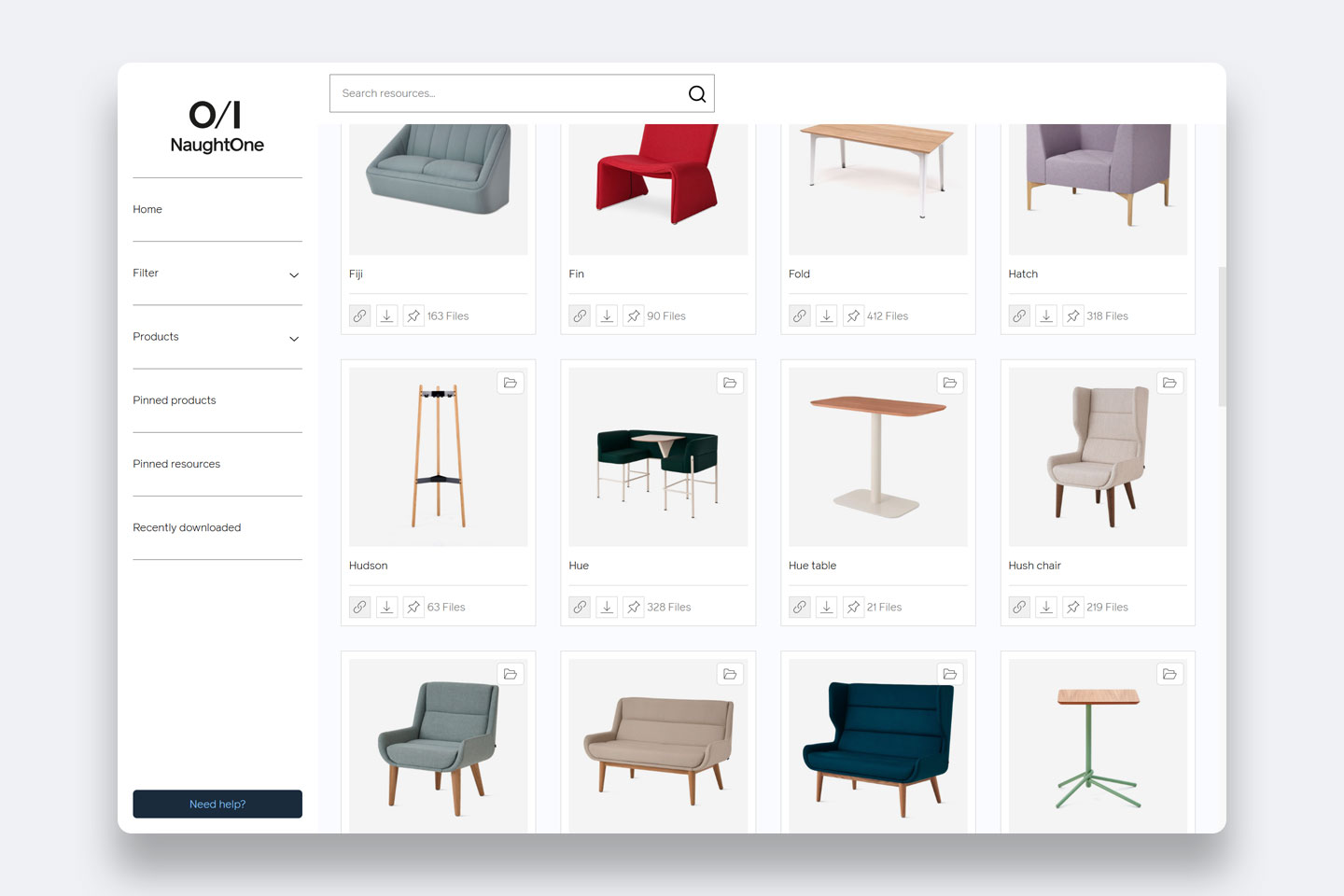
For a global B2B brand like Naughtone, performance isn’t just a metric—it’s a brand promise. High-end furniture design requires high-end digital presentation, involving heavy imagery and complex product catalogues. Traditional WordPress can often struggle with “bloat,” where every plugin and theme layer adds milliseconds to the load time. By using Headless WordPress for Naughtone, we can pre-render pages into static HTML. This means when a user clicks, the site doesn’t “load” in the traditional sense; it appears instantly. This results in significantly improved Core Web Vitals, which for B2B brands leads to better SEO rankings and a seamless user journey that keeps professional buyers engaged rather than waiting for a spinner to stop.
Security: Closing the Front Door
Security is a primary concern for any global enterprise. Traditional WordPress sites are frequent targets for automated attacks because the login page and the site’s public face exist on the same server. In a headless configuration, your WordPress installation can live on a private, hidden server. The public-facing site is just static code with no database to hack. This creates a “minimised attack surface.” Even if a vulnerability were discovered in a plugin, the frontend remains unaffected and isolated. For B2B brands handling sensitive client data or proprietary product info, this “air-gap” between the content and the user is a massive win for the IT department.
Future-Proofing for Global B2B
Global brands often need to push content to more than just a website. They have mobile apps, IoT displays in showrooms, and internal portals. Headless architecture allows you to create content once in WordPress and distribute it anywhere. While traditional WordPress is often “website-only,” Headless is “omnichannel.” It provides the ultimate developer freedom to use modern tools while ensuring the marketing team retains the familiar WordPress interface they find easy to use.
Is Headless Right for You?
While the benefits are clear, Headless WordPress is an enterprise-grade solution that requires strategic implementation. It is the ideal choice for brands like Naughtone that prioritise a premium, fast, and secure user experience across the globe. By separating the engine from the bodywork, you gain a site that is faster to load, harder to hack, and easier to scale.
Are you finding that your current WordPress setup is beginning to limit your ability to hit those crucial Google PageSpeed targets?